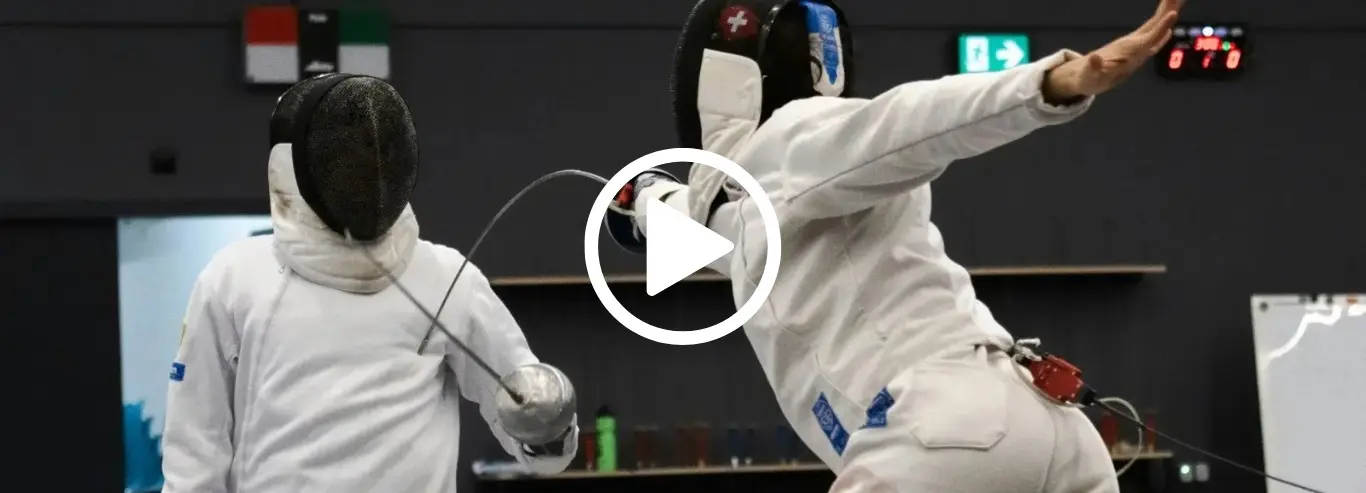
At the start (first frame), both fencers are in an en-garde position at moderate distance. The fencer on the left (shorter fencer) appears to be the one pressing the attack, taking small steps forward. Meanwhile, the taller fencer (on the right) is maintaining a longer stance and moving slightly backward, indicating a defensive mindset.
Coaching Note: Maintaining consistent, balanced footwork is critical. The left-side fencer demonstrates good spacing with small, purposeful advances, while the right-side fencer seems ready to either counterattack or establish a parry.
You can reach our customer support team by emailing info@yourcompany.example.com, calling +1 555-555-5556, or using the live chat on our website. Our dedicated team is available 24/7 to assist with any inquiries or issues.
We’re committed to providing prompt and effective solutions to ensure your satisfaction.
We offer a 30-day return policy for all products. Items must be in their original condition, unused, and include the receipt or proof of purchase. Refunds are processed within 5-7 business days of receiving the returned item.
Overview:
The student appears somewhat proactive rather than purely reactive, which suggests they do watch for potential openings. However, the transitions in the images show moments where the student commits forward while the opponent has begun to retreat or adopt a defensive posture. This may indicate that the student is deciding to attack based on their own timing rather than any clear "tell" or reaction from the opponent.
Coaching note:
Encourage the student to use more "probing" actions-small threatening steps or blade engagements-to gauge how the opponent reacts. That split- second of observation can help in adjusting tactics mid-action.
You can reach our customer support team by emailing info@yourcompany.example.com, calling +1 555-555-5556, or using the live chat on our website. Our dedicated team is available 24/7 to assist with any inquiries or issues.
We’re committed to providing prompt and effective solutions to ensure your satisfaction.
We offer a 30-day return policy for all products. Items must be in their original condition, unused, and include the receipt or proof of purchase. Refunds are processed within 5-7 business days of receiving the returned item.
The fencer actively observes their opponent’s positioning and blade movement, adjusting their own stance accordingly. Their ability to recognize patterns in attacks allows them to predict the next move, though slight hesitations can impact their response time.
Coaching Note:
Encourage the fencer to stay engaged in small probing actions, such as feints or slight blade
Rather than attacking directly, the fencer uses strategic footwork and blade positioning to draw reactions from the opponent. By doing so, they create controlled opportunities to strike. However, the timing of their execution can sometimes be slightly delayed.
Coaching Note:
Train the fencer to recognize the right moment to attack after baiting an opponent into a defensive position. Quick follow-ups are key to capitalizing on created openings.
The fencer shows awareness of pacing, either slowing down the action to disrupt an opponent’s rhythm or increasing speed to gain control. However, inconsistent movement can allow the opponent to regain momentum.
The fencer demonstrates effective use of parries to deflect attacks but does not always capitalize on counterattack opportunities. The technique is strong, but slight delays in response time reduce its effectiveness.
The fencer relies on movement rather than direct engagement to avoid attacks. While their retreating footwork is strong, there are moments where they move too far back, losing the opportunity to counterattack.
The fencer successfully defends against predictable attacks but struggles when facing opponents who vary their rhythm and angles of attack. Their reactions are solid but could improve against unconventional tactics.
The fencer executes lunges and attacks with decent speed but occasionally hesitates before committing. This moment of hesitation allows opponents time to react and defend.
The fencer’s offensive actions are quick, but their defensive reactions need refinement. In some instances, they respond just a fraction of a second too late, allowing the opponent’s attack to land.
The fencer attempts to use feints to mislead their opponent, but the execution is sometimes too fast or too slow, making it easier for the opponent to read their intent.